
Literacy Center
It's all about literacy
We meet literacy using these tools
We use a combination of the following tools to meet our literacy goals: Phonics, Site Words, Reading Comprehension & Reading Fluency
❋ PHONICS Connects letters with the sounds made when saying or reading individual letters or groups of letters
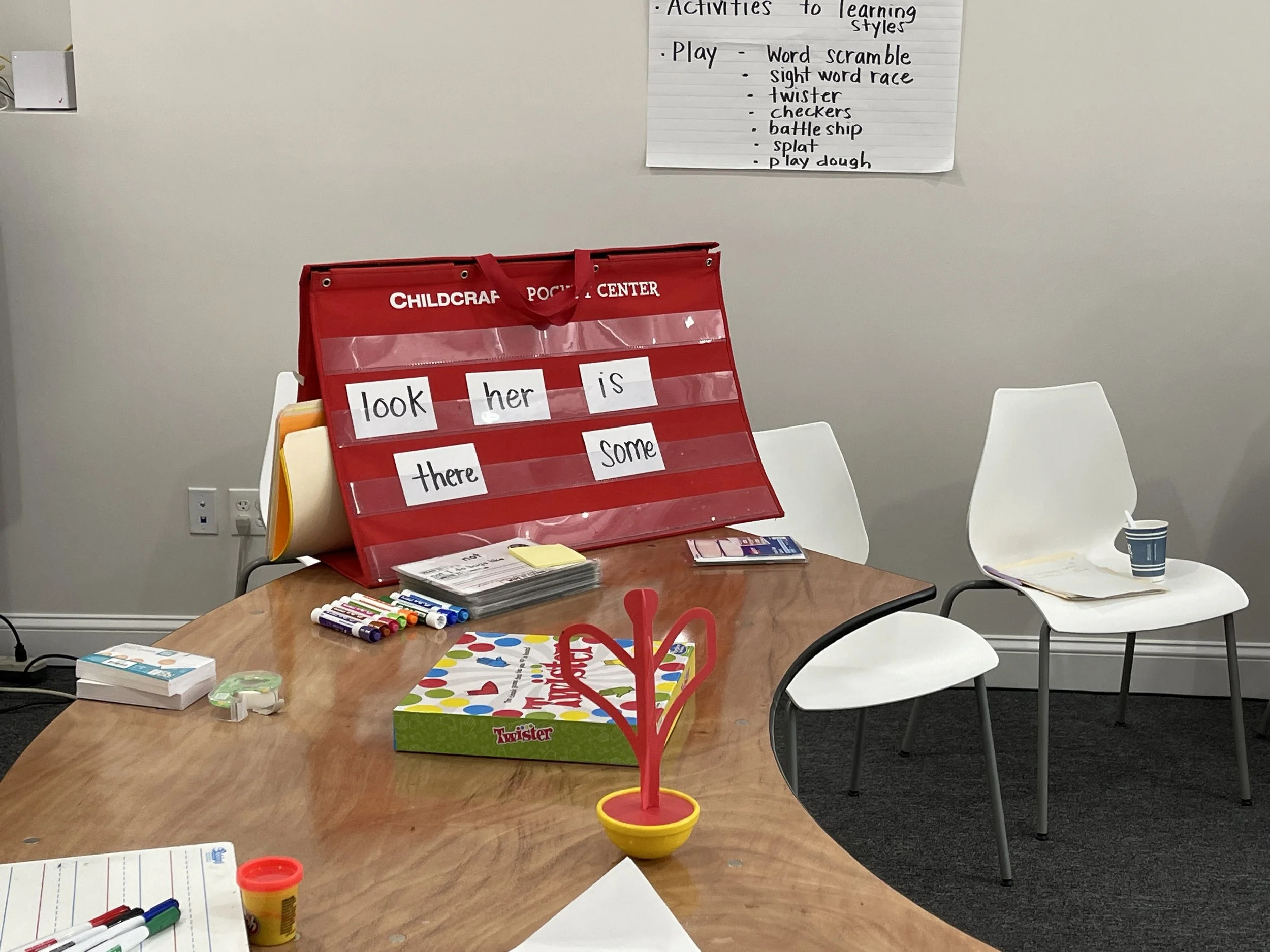
❋ SITE WORDS Words that are recognized when seen, without sounding out the word
❋ READING FLUENCY The ability to read like one speaks, with expression, word accuracy, and changes in tempo
❋ READING COMPREHENSIONOur events prioritize comfort, safety, and respect—so you can show up as you are and fully engage in the process.
Phonics, Sight Words & Reading Comprehension
Still have questions? Take a look at the FAQ or reach out anytime. If you’re feeling ready, go ahead and apply.
-
Phonics connects letters with the sound made when saying or reading individual letters or groups of letters. In some cases, the sounds of groups of letters are a blending of the sounds of individual letters. In other cases, the sounds made when saying or reading the groups of letters follow rules (such as the silent e on the end of some words). Going through the process of making the sounds of groups of letters that make up words is sometimes called decoding.
There are three stages of learning Phonics:
Identifying letters and their sounds,
Reading words of one syllable
Reading words with more than one syllable.
A reader’s ability to use phonics to decode words helps the reader to read the words with accuracy and learn to read new words. As the reader practices accurately reading the words, in time, the reader will know the words without actively sounding out the words. At that point, the words become sight words for the reader, as the reader recognizes the word without active decoding.
-
A sight word is a word that is recognized when seen, without sounding out the word. Therefore, sight words are words that are memorized. Being able to recognize words on sight makes reading easier. Accurately recognizing words on sight is important, as reading accurately without hesitation is one of three components of reading fluency.
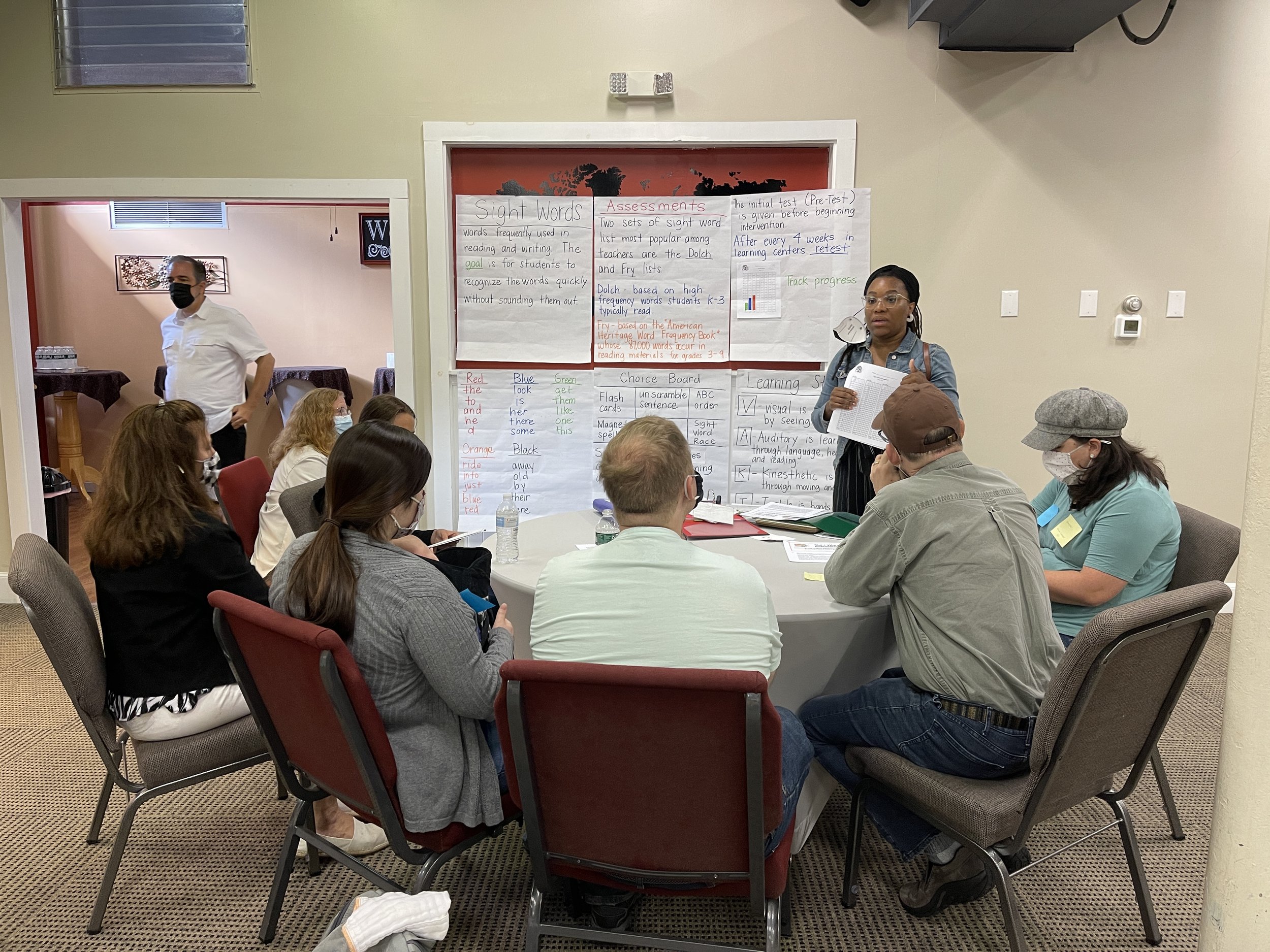
Learning sight words is the other side of phonics learning. Where phonics assists in learning to read a word (or decode the group of letters that make up the word to be able to sound out the word), sight word training increases the student’s familiarity with words, allowing the student to say the word without having to sound out the word. There are two types of sight words that are important for the student to memorize. One type of sight words are words that do not sound like they are spelled, such as buy, two, or some. Words that don’t sound as they are spelled are sometimes called non-phonetic words. The other type of sight words are words that are frequently used, called high-frequency words. High frequency words (some of which are also non-phonetic words) are captured in two lists, the Dolch list (consisting of 220 words) and the Fry list (consisting of 1000 words).
-
Reading fluency is the ability to read with appropriate changes in reading rate, reading with accuracy, and reading with expression. Reading fluency is most often associated with reading aloud.
When reading with appropriate changes in reading rate, one uses the grammatical cues for pauses, such as commas and periods. One also uses the word groupings to give indications as to the appropriate reading rate, for example, “We have to do these five things,” he said hurriedly. She replied slowly with hesitation, “I’m not sure those five things will actually help.”
Reading with expression is an important part of reading aloud. Reading with expression uses grammatical cues for changes in intonation, such as exclamation points and question marks, and other cues, such as word grouping, to indicate changes in tempo, rhythm, and volume. For added expression, on may make changes in pitch when reading the words of various characters versus narration.
Reading with accuracy includes identifying, pronouncing, and understanding each word correctly. The reading with accuracy skill comes from previous reading skill areas including phonics and sight words.
When one reads fluently, one begins to enjoy reading.
-
Reading comprehension, the ability to understand, interpret, and remember what one reads, is rewarding, fun, and useful, and is the ultimate goal of reading. Reading comprehension allows the reader to make connections to things that are already known by the reader, learn new things, and develop new perspectives. Understanding what was read is required to analyze what was read.
Reading comprehension allows the reader to think as they read, draw inferences (read between the lines), and get more out of the reading. Reading comprehension allows one to immerse oneself in what is being read and even anticipate what might come next and why. Skill in reading comprehension also allows the reader to know when the reader is not understanding what was read, recognize inconsistencies in what was written or incongruencies with the reader’s thoughts and perspectives, and motivates the reader to learn more to resolve the differences.
Reading comprehension is a foundational and powerful skill that positively impacts both academic and real-world accomplishments. Effective instruction and practice can strengthen comprehension, which in turn can empower individuals to navigate complex information with confidence and success.
Training & Mentoring
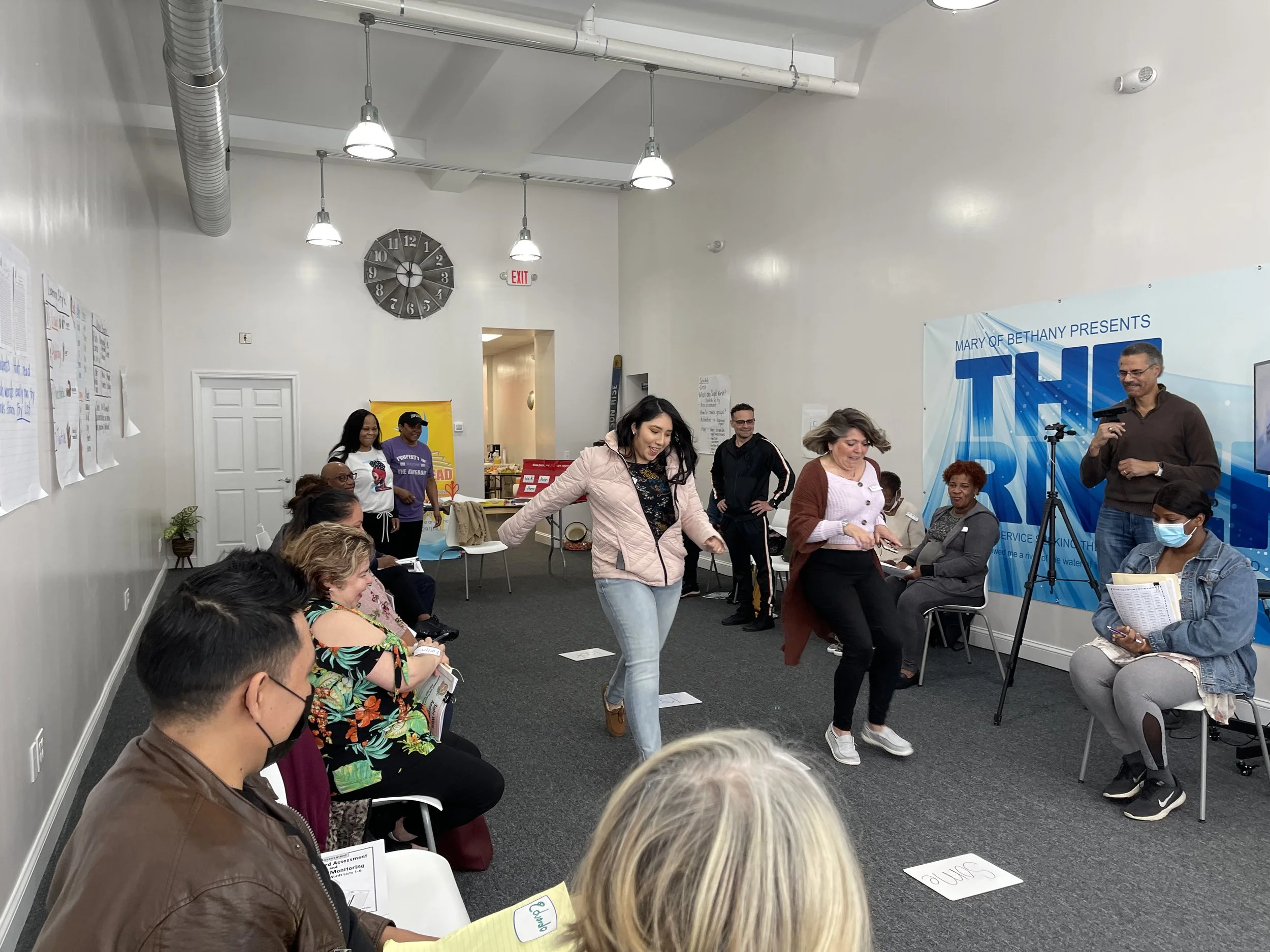
Rise To Read provides to individuals, churches, and organizations free training and resources to start literacy centers, run a summer literacy camp, or serve as a reading literacy volunteer.
For more info on how to become a reading literacy volunteer, run a summer literacy camp, or start a literacy center please contact us:
Literacy Volunteer Training 2026
LOCATION248 Fairfield Avenue, Bridgeport, CT 06604
TIME9am-12pm (continental breakfast at 8:30am)
DATESaturday, March, 28th